


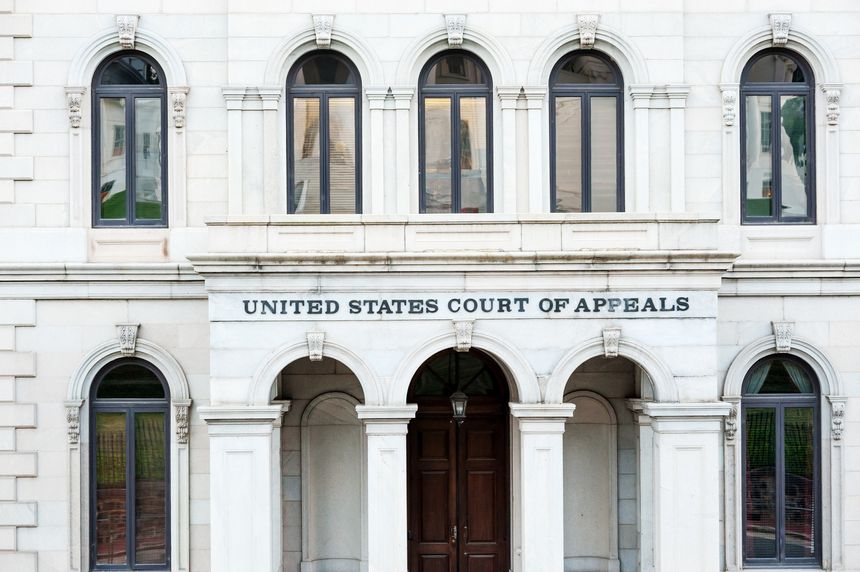


In Pack Private Capital, LLC v. Associated Bank, N.A., 155 F.4th 981 (8th Cir. 2025), the U.S. Court of Appeals for the Eighth Circuit held that an oral modification of a subordination agreement was barred by the statute of frauds relating to credit agreements under state law. The decision is a reminder that changes to subordination agreements often need to meet specific legal requirements to be enforceable.
Background
A lender loaned money to a borrower and later provided undocumented, short-term “payroll float loans” to cover payroll shortfalls.
The borrower then obtained a revolving line of credit and term loan from a senior lender. As a condition, the initial lender signed a subordination agreement, subordinating all existing and future obligations owed by the borrower to it in favor of the senior lender. The agreement also prohibited the subordinated lender from collecting payments from the borrower without the senior lender’s prior written consent.
Even after the borrower obtained financing from the senior lender, the subordinated lender continued to make additional “payroll float loans.”
The senior lender later agreed to refinance and replace its earlier loans with a larger revolving line of credit and larger term loan. In connection with the refinancing, the subordinated lender converted its debt to equity, taking a 90% ownership stake in the borrower, and provided the senior lender a $1 million guaranty. Despite the refinancing, the borrower continued to struggle and the subordinated lender continued to make payroll float loans.
Several months after the refinancing, the senior lender denied the borrower’s request for more funding. Thereafter, an employee of the senior lender sent a letter “acknowledg[ing]” that the subordinated lender’s payroll float loan was “intended to be a temporary loan to bridge a cash shortfall” that the borrower would soon pay back. Neither the senior lender nor its employee objected to the borrower’s payments to the subordinated lender. The subordinated lender continued to advance funds to the borrower even after the senior lender denied further funding.
Litigation ensued, and the subordinated lender argued that the senior lender should be equitably estopped from seeking recovery of the payroll float loan repayments because the senior lender approved of and encouraged the subordinated lender to make the loans.
The District Court and Eighth Circuit Rule in Favor of the Senior Lender
The district court dismissed the subordinated lender’s claims based on the state statute of frauds, which generally requires that credit agreements be in writing. Specifically, the district court found that the subordinated lender’s claims were based on the senior lender’s oral promises and that equitable estoppel did not save those claims because enforcing them would amount to enforcing an oral modification of the subordination agreement.
On appeal, the Eighth Circuit affirmed, noting that although the statute of frauds does not always bar equitable estoppel, it does where a party seeks to enforce an oral promise to modify a credit agreement. The court observed that there was “simply no textual basis for creating an exception to [the state statute of frauds] for promissory estoppel claims” and that “same logic applies here to [the subordinated lender]’s equitable estoppel claim.”
The Eighth Circuit also held that, even though the complaint alleged that the senior lender’s letter acknowledged and encouraged the subordinated lender’s short-term loans, the subordinated lender did not argue in the district court that the senior lender had given written consent to the repayment. Because the subordinated lender failed to raise this argument earlier, it was considered waived on appeal.
Takeaway
The Eighth Circuit’s decision highlights the risks associated with relying on oral modifications or implied waivers in the context of credit and subordination agreements. Parties should ensure that all consents and changes are memorialized in writing to minimize unenforceability and litigation.
/Passle/63ef8bdcf636e911c850090e/SearchServiceImages/2026-02-26-05-54-07-760-699fdfff84138579a555b860.jpg)
/Passle/63ef8bdcf636e911c850090e/SearchServiceImages/2026-02-24-00-07-58-135-699cebdeca5dac48b63fecb7.jpg)
/Passle/63ef8bdcf636e911c850090e/SearchServiceImages/2026-02-19-23-29-48-584-69979cecff07facd13d3fdfd.jpg)