


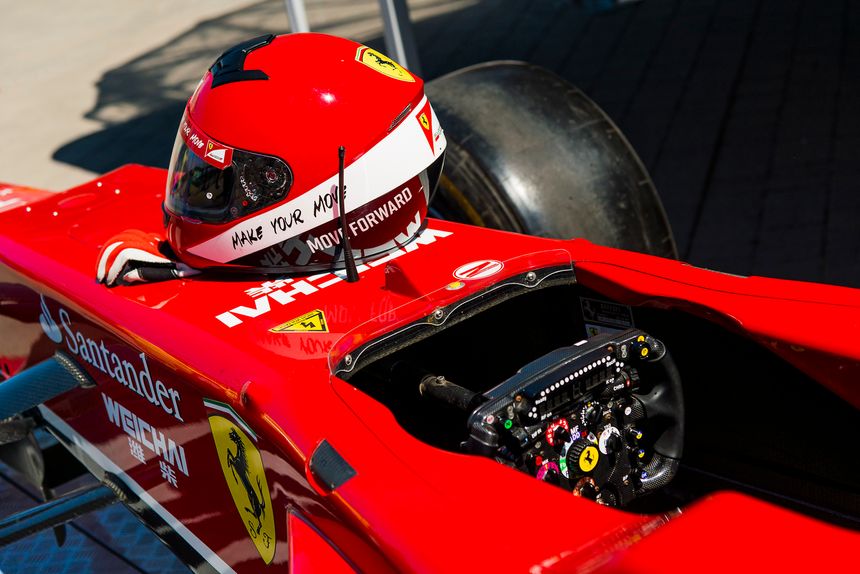


Welcome to the February 2026 edition of The Sports Law Playbook. In this issue, we take a closer look at the legal challenges facing advertisers, sponsors and rights holders as marquee events like the Super Bowl and the upcoming 2026 Formula 1 season put brand partnerships under an intense global spotlight.
But first—what’s been happening lately in the sports world? Here are some recent headlines and developments worth having on your radar:
- On Jan. 27, Duke University settled its lawsuit against star quarterback Darian Mensah, slightly over a week after filing it. The swift settlement concluded a case that could have resolved fundamental legal questions facing college sports in the post-House era, including the enforceability of name, image and likeness (NIL) contracts against transferring student-athletes and whether NIL contracts are actually disguised employment relationships that constitute prohibited pay-for-play schemes. Read more about the settlement in our client alert here.
- Ongoing antitrust litigation pressure on the NCAA and sports leagues continues into 2026, with commentators noting a surge in cases challenging eligibility, pay and competitive rules.
- Professional sports labor relations continue to evolve, as collective bargaining agreements across multiple leagues have expired or are approaching expiration, with internal differences on compensation, work conditions and risk exposure poised to shape upcoming negotiations and highlight ongoing bargaining and disruption risks.
- Recent federal investigations into sports betting activity have renewed focus on integrity and compliance issues, as prosecutors examine alleged efforts to influence outcomes in both NCAA and professional basketball contests—underscoring the ongoing legal and regulatory risks tied to the expansion of legalized sports wagering.
Navigating Advertising and Sponsorship Challenges in Major Sporting Events
As we approach the Super Bowl LX and the 2026 Formula 1 season, advertisers and sponsors face an increasingly complex legal landscape. These premier sporting events present unique challenges that demand careful attention from legal counsel.
Ambush Marketing and Brand Protection
One of the most persistent issues remains ambush marketing, where non-sponsors attempt to create unauthorized associations with events. Rights holders have responded with aggressive protection strategies, including expanded trademark portfolios and stringent contractual restrictions. For example, while physical clean zones (a several block radius around the stadium) are common, Super Bowl sponsors are now increasingly seeking a "digital clean zone," which involves monitoring and combating ads that use the stadium's precise GPS coordinates to push branded content to fans in attendance.
Regulatory Compliance Across Jurisdictions
F1’s global footprint creates a "patchwork" compliance headache. Sponsorship regulations vary dramatically across host nations, particularly for regulated industries like alcohol, gambling and crypto—sectors that, according to reports, now account for over $500 million in annual F1 spend. By way of example, to navigate France’s strict Loi Évin (alcohol advertising ban), sponsors like Estrella Galicia and Heineken utilized "alibi marketing" during the recent European Grand Prix, replacing primary branding with "0.0%" variants or responsibility slogans. Further, in 2025, the Stake F1 Team (Sauber) had to frequently alternate between "Stake" (gambling) and "Kick" (streaming) branding depending on local betting laws in jurisdictions like Australia, Netherlands and Qatar, highlighting the need for dynamic "jurisdiction-specific" signage/branding schedules in sponsorship agreements. Legal counsel for regulated industries must ensure contracts allow for these "livery swaps" without triggering breach-of-performance clauses.
Social Media and Digital Rights
The fragmentation of media rights presents novel challenges. While rights packages are traditionally split between broadcast and streaming, the rise of "athlete-influencers" adds a layer of conflict. At the 2024 Olympics, various athletes faced "Rule 40" warnings for promoting personal sponsors on Instagram during the "blackout period." And disputes can arise where an athlete’s "behind-the-scenes" social media content inadvertently features a product competitive to his team’s official sponsor(s), or where an athlete appears at an unofficial event (i.e., a non-team sanctioned event) wearing a brand that is a competitor to his team’s official sponsor brand.
Morality Clauses and Reputational Risk
Recent volatility in the tech and crypto sectors, alongside social justice movements, has heightened attention to morality and termination provisions. A significant trend has been the demand for reciprocal rights. Following the high-profile collapse or negative association with sponsors, rights holders and athletes are demanding the right to terminate if the sponsor commits an objectionable act or faces indictments or significant ESG (environmental, social and governance) failures that could tarnish the athlete's or team’s personal brand.
Conclusion
As sporting events command larger audiences and sponsorship fees reach record levels, the legal stakes continue to rise. Practitioners must remain vigilant in drafting comprehensive agreements that anticipate evolving commercial and regulatory challenges while protecting their clients' substantial investments.
/Passle/63ef8bdcf636e911c850090e/SearchServiceImages/2026-03-13-02-03-30-016-69b37072236aebe161774bd4.jpg)
/Passle/63ef8bdcf636e911c850090e/SearchServiceImages/2026-02-27-19-47-59-327-69a1f4ef8e3a24fe05f7c828.jpg)
/Passle/63ef8bdcf636e911c850090e/SearchServiceImages/2026-03-02-22-08-35-766-69a60a63263833a62ebe4390.jpg)